


English
- English

CONTACT US
If you have any queries, get in touch today! Don't hesitate. We try to take the extra step for our customer satisfaction.
Our Products
We will provide high-quality and low-cost carbon fiber materials
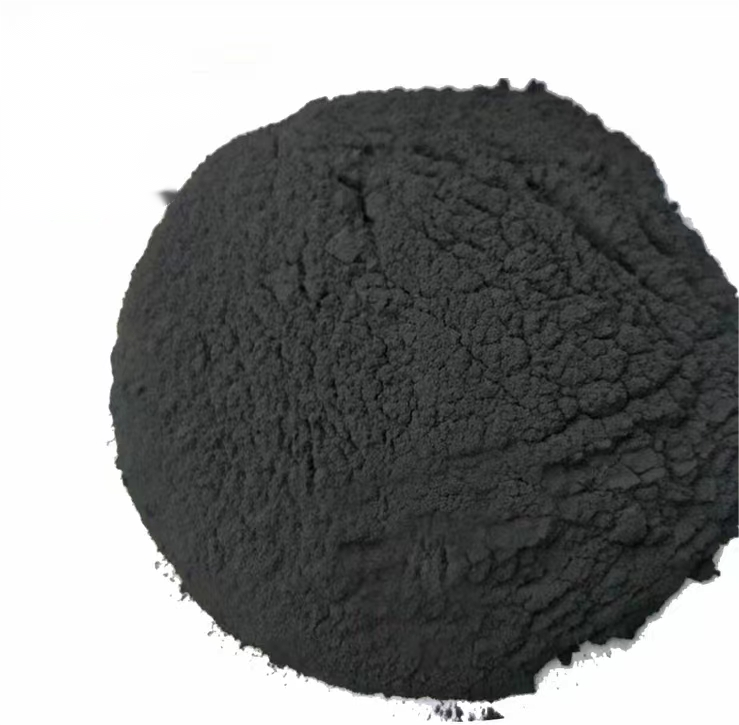

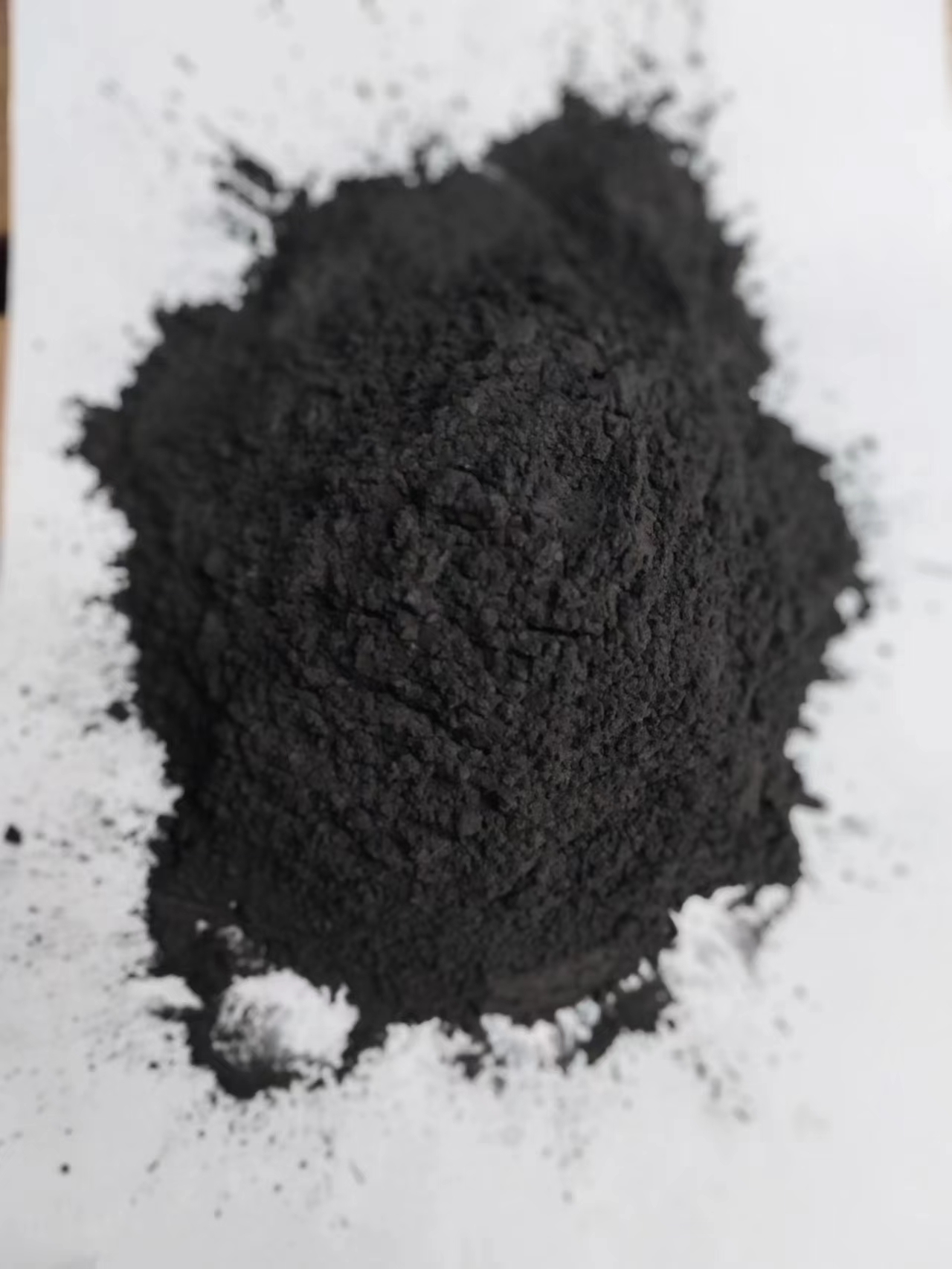
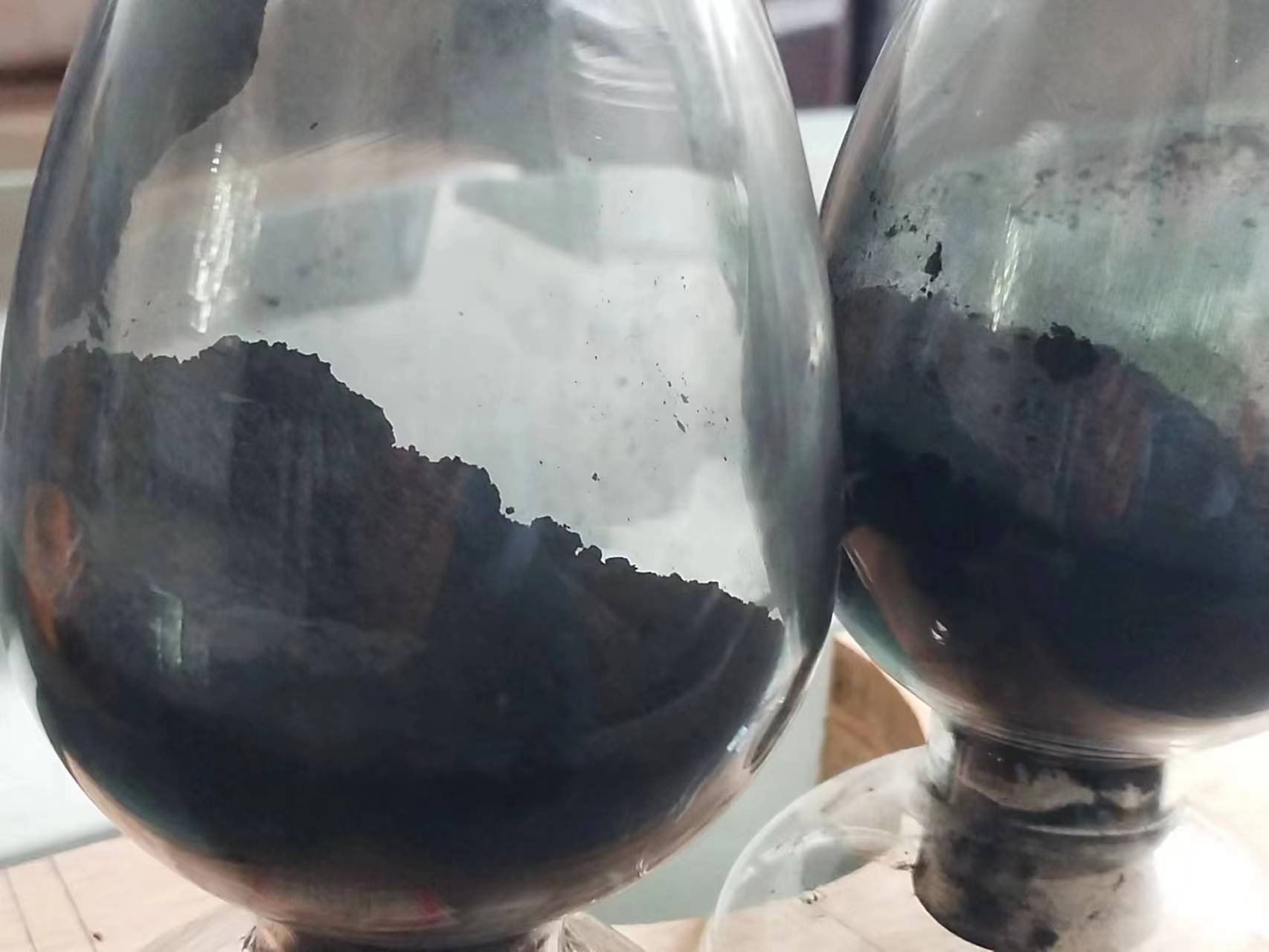
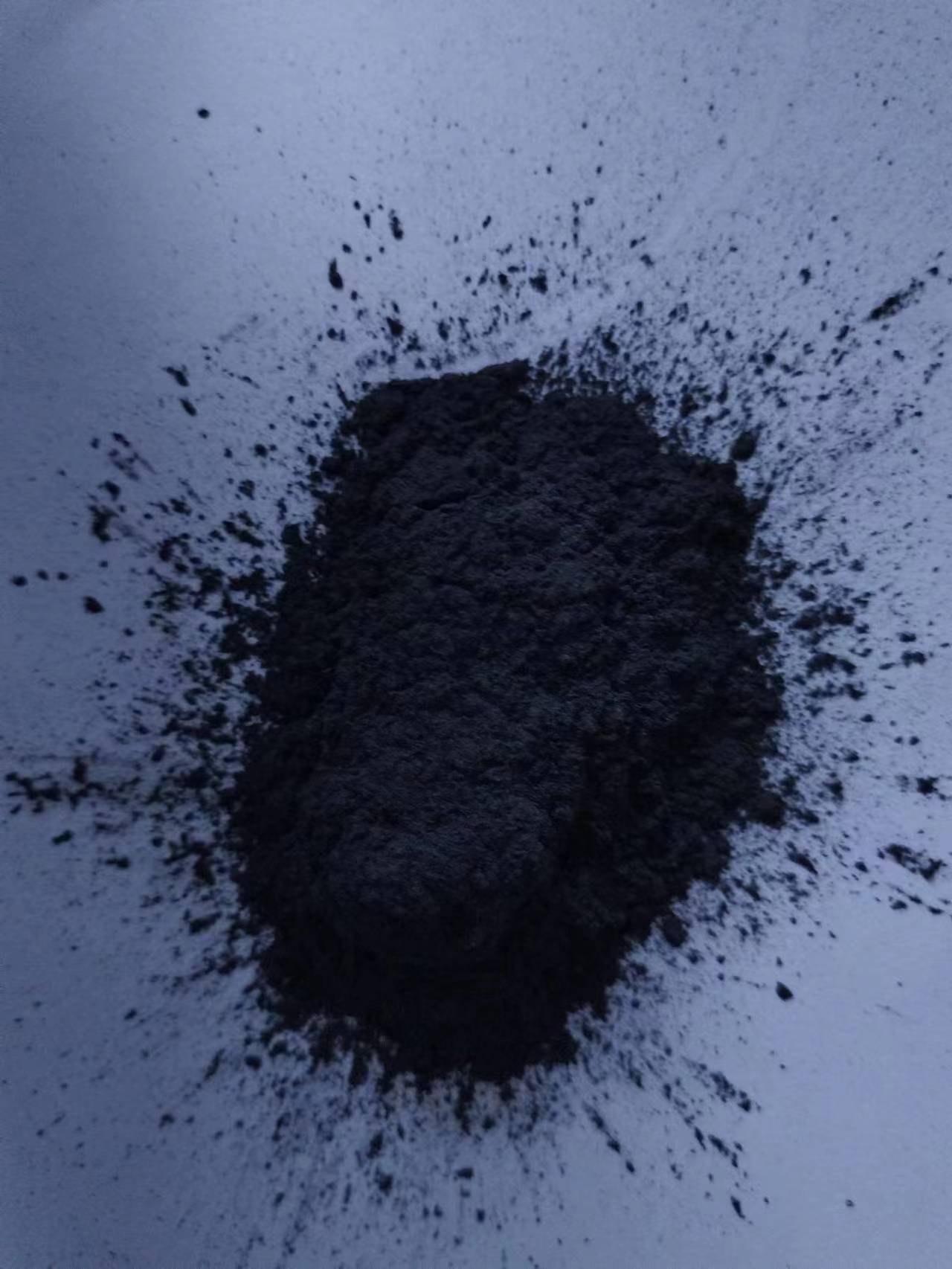
Carbon fiber powder
Core technical parameters of carbon fiber powder (ground carbon fiber): Carbon content ≥ 95%, density 1.75g/cm³, single filament diameter 7μm, tensile strength ≥ 3500MPa, resistivity 10⁻³ to 10⁻⁵Ω·cm, mesh size 30–1000, used for reinforcement, conductivity, heat conduction and anti-static applications.
I. Basic Physical Parameters
Appearance: Blackish-gray powder, cylindrical particles.
Carbon content: Regular ≥ 95%; High purity ≥ 99%.
Density: 1.75 g/cm³ (1.5–2.0 g/cm³).
Single filament diameter: 7 μm (6–8 μm).
Fineness / Mesh Number: 30–1000 mesh, common ones:
100 mesh (≈ 150 μm)
200 mesh (≈ 75 μm)
400 mesh (≈ 38 μm)
500 mesh (≈ 25 μm).
Fiber length: Below 200 μm, aspect ratio 2:1–8:1.
Specific surface area: 5–20 m²/g (increases with mesh number).
II. Mechanical Properties
Tensile strength: ≥ 3500 MPa (3.5 GPa), up to 7000 MPa for high-end products.
Elastic modulus: 230–630 GPa.
Extension rate: 1.5–2.2%.
III. Conductive and Heat Conductive Properties
Resistivity: 1.5 × 10⁻³ Ω·cm (up to 10⁻⁵ level for high purity).
Heat conductivity: 150–400 W/(m·K).
Linear expansion coefficient: -0.1 × 10⁻⁶ / °C (near zero expansion).
IV. Chemical and Heat Resistance Properties
Surface characteristics: Contains active groups such as hydroxyl and carboxyl, easily combines with resins.
Temperature resistance: Stable in inert atmosphere at 2000°C; Oxidation resistant in air at 400–500°C.
Corrosion resistance: Resistant to acids, alkalis, salts, with strong chemical inertness.
V. Key Quality Indicators
Particle size distribution: Uniformity is good, no agglomeration.
Length retention rate: ≥ 80% at low temperature grinding (higher value enhances the effect).
Surface treatment: Silane coupling / plasma treatment, to improve compatibility with resins.
Impurity content: Metal impurities (Fe, Na, etc.) ≤ 0.5%.
VI. Common Specifications and Applications
Mesh size Particle size Typical applications
100 mesh 150μm Enhance plastic, improve fluidity
200 mesh 75μm Sealing parts, wear-resistant components
400 mesh 38μm Conductive coatings, carbon paper, anti-static materials
500 mesh + 25μm and below Battery electrodes, high-end conductive inks
VII. Selection Tips
Enhancement: Choose 200–400 mesh, aspect ratio 5:1–8:1.
Conductive / Anti-static: Choose above 400 mesh, resistivity ≤ 10⁻³Ω·cm.
High-purity scenarios: Carbon content ≥ 99%, impurities ≤ 0.1%.
- Parameters
Core technical parameters of carbon fiber powder (ground carbon fiber): Carbon content ≥ 95%, density 1.75g/cm³, single filament diameter 7μm, tensile strength ≥ 3500MPa, resistivity 10⁻³ to 10⁻⁵Ω·cm, mesh size 30–1000, used for reinforcement, conductivity, heat conduction and anti-static applications.
I. Basic Physical Parameters
Appearance: Blackish-gray powder, cylindrical particles.
Carbon content: Regular ≥ 95%; High purity ≥ 99%.
Density: 1.75 g/cm³ (1.5–2.0 g/cm³).
Single filament diameter: 7 μm (6–8 μm).
Fineness / Mesh Number: 30–1000 mesh, common ones:
100 mesh (≈ 150 μm)
200 mesh (≈ 75 μm)
400 mesh (≈ 38 μm)
500 mesh (≈ 25 μm).
Fiber length: Below 200 μm, aspect ratio 2:1–8:1.
Specific surface area: 5–20 m²/g (increases with mesh number).
II. Mechanical Properties
Tensile strength: ≥ 3500 MPa (3.5 GPa), up to 7000 MPa for high-end products.
Elastic modulus: 230–630 GPa.
Extension rate: 1.5–2.2%.
III. Conductive and Heat Conductive Properties
Resistivity: 1.5 × 10⁻³ Ω·cm (up to 10⁻⁵ level for high purity).
Heat conductivity: 150–400 W/(m·K).
Linear expansion coefficient: -0.1 × 10⁻⁶ / °C (near zero expansion).
IV. Chemical and Heat Resistance Properties
Surface characteristics: Contains active groups such as hydroxyl and carboxyl, easily combines with resins.
Temperature resistance: Stable in inert atmosphere at 2000°C; Oxidation resistant in air at 400–500°C.
Corrosion resistance: Resistant to acids, alkalis, salts, with strong chemical inertness.
V. Key Quality Indicators
Particle size distribution: Uniformity is good, no agglomeration.
Length retention rate: ≥ 80% at low temperature grinding (higher value enhances the effect).
Surface treatment: Silane coupling / plasma treatment, to improve compatibility with resins.
Impurity content: Metal impurities (Fe, Na, etc.) ≤ 0.5%.
VI. Common Specifications and Applications
Mesh size Particle size Typical applications
100 mesh 150μm Enhance plastic, improve fluidity
200 mesh 75μm Sealing parts, wear-resistant components
400 mesh 38μm Conductive coatings, carbon paper, anti-static materials
500 mesh + 25μm and below Battery electrodes, high-end conductive inks
VII. Selection Tips
Enhancement: Choose 200–400 mesh, aspect ratio 5:1–8:1.
Conductive / Anti-static: Choose above 400 mesh, resistivity ≤ 10⁻³Ω·cm.
High-purity scenarios: Carbon content ≥ 99%, impurities ≤ 0.1%.
Carbon fiber powder
Pan-based carbon fiber powder is a micrometer-sized carbon material prepared from polyacrylonitrile (PAN) raw fibers through processes such as pre-oxidation, high-temperature carbonization, and grinding classification. This material has high carbon content, high electrical conductivity, excellent high-temperature resistance, and excellent chemical stability. It is widely used in composite material reinforcement, conductive fillers, friction materials, and electrode materials, etc.
In terms of the production process, the production of pan-based carbon fiber powder is divided into five key stages. The pre-treatment stage requires pre-oxidizing PAN fibers in an air environment, with the processing temperature controlled within the range of 200-300℃, forming a trapezoidal structure. The carbonization stage is carried out under inert gas protection with a gradient temperature rise, with the carbonization temperature reaching 1000-3000℃ to ensure complete graphiteification of the fiber structure. The grinding process uses an air flow pulverizer for multi-stage grinding, adjusting the rotational speed of the classifier to control the particle size within the range of 5-50μm, with a particle size distribution coefficient of ≤1.5. Surface modification treatment requires selecting different modifiers according to application scenarios, such as silane coupling agent KH550 or titanium acid ester coupling agent NDZ-201, with the modifier addition amount being 0.5-2% of the powder mass. The final product needs to be tested for quality using equipment such as laser particle size analyzer, specific surface area analyzer (BET method), and X-ray diffraction instrument (XRD).
In the application technology field, when this material is used as an reinforcing phase in polymer composite materials, adding 3-5% can increase the bending strength of epoxy resin by 40-60%. When used as a conductive filler in electronic packaging materials, the filtration threshold can be reduced to 0.8vol%, and the volume resistivity can reach 10²-10³Q·cm. In the field of friction materials, adding 15-20% carbon fiber powder can stabilize the friction coefficient of the brake pad at 0.35-0.45 and reduce the wear rate by more than 30%. In lithium-ion battery electrodes, adding 1-2% as a conductive agent can increase the electrode compactness to 3.4g/cm³ and increase the cycle life by more than 200 weeks.
Carbon content ≥ 95%, ash content ≤ 0.5%, bulk density 0.2-0.5g/cm³, specific surface area 200-500m²/g, electrical conductivity 100-1000S/cm. In terms of particle size distribution, D10 ≥ 3μm, D50 controlled within 5-15μm, D90 ≤ 30μm. For special application scenarios, customized parameter services can be provided, such as for nuclear industry products, the boron content needs to be controlled ≤ 0.1ppm, and for lithium battery products, the iron content needs to be ensured ≤ 50ppm.
品名 | 碳纤维粉 |
拉伸强度 | ≥3500 |
密度 | 1.75 |
单丝直径 | 7 |
含碳量 | ≥95 |
电阻率 | 1.5×10³ |
线膨胀系数 | -0.1×10 |
长径比 | 2:1-8:1 |
细度(目数) | 30-1000 |


 Copy product links
 Long by picture save/share
INQUIRY


Add Successfully
INQUIRY
Add Successfully
Related Products
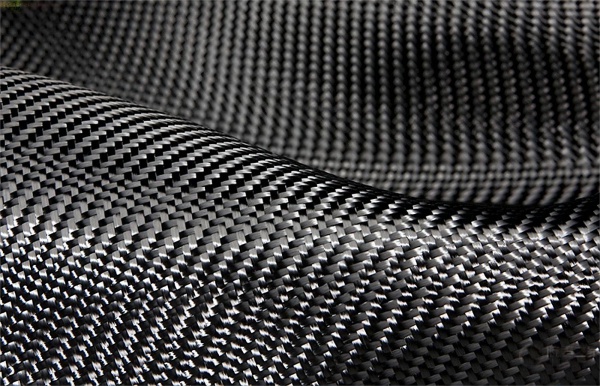
Carbon fiber cloth

Carbon fiber cutting

Carbon Fiber Brake Discs
Carbon-carbon brake discs adopt carbon fiber composite material. With high temperature resistance, stable friction, lightweight and long service life. Suitable for aerospace and racing, custom sizes available.

Carbon Fiber Fasteners
Carbon fiber fasteners are carbon-carbon composite fasteners with high temperature resistance, low density and corrosion resistance. Custom sizes for aerospace and thermal industry.
